

Pet owners want outdoor spaces that are safe, clean, and easy to maintain. When natural grass struggles to survive heavy paw traffic, many homeowners begin asking what is the best artificial turf for dogs. The right turf system can provide a durable, hygienic, and attractive solution that supports both pets and people. Understanding how dog friendly turf works helps ensure long term satisfaction and avoids common installation mistakes.
Why Pet Owners Choose Artificial Turf for Dogs
Artificial turf has become a popular alternative to natural grass for households with dogs. High traffic areas, digging, and frequent bathroom use often leave lawns patchy and muddy.
According to the Synthetic Turf Council, properly installed artificial turf can last 15 to 20 years and requires significantly less water and maintenance than natural grass. For dog owners, this means fewer muddy paws, less lawn damage, and a cleaner outdoor environment year round.
Read also: What is Artificial Grass
Key Factors That Define the Best Artificial Turf for Dogs
Effective Drainage Is Non Negotiable
Drainage is the most important factor when evaluating what is the best artificial turf for dogs. Dog urine must pass through the turf quickly to prevent odor buildup and bacterial growth.
High quality pet turf includes:
- Perforated backing with high drainage rates
- A compacted aggregate base that promotes runoff
- Optional antimicrobial infill systems
Industry standards suggest a drainage rate of at least 30 inches per hour for pet specific turf products.
Durable Fiber Construction
Dogs run, dig, and play, which puts stress on turf fibers. The best artificial turf for dogs uses strong, resilient fibers that bounce back after compression.
Look for:
- Polyethylene or polypropylene fibers for softness and durability
- Short to medium pile height for stability
- Dense stitching to resist matting
Experienced installers often recommend pile heights between 1 and 1.75 inches for dog runs and yards.
Heat Management and Comfort
Artificial turf can retain heat in direct sunlight. This makes fiber material and infill selection critical for pet comfort.
Modern pet turf options include:
- Heat reducing infills
- Light colored blades that reflect sunlight
- Permeable systems that allow cooling through airflow and drainage
Testing surface temperature during peak sun hours is a practical way to assess suitability for dogs.
Understanding Infill Options for Dog Friendly Turf
Infill plays a major role in turf performance, odor control, and comfort.
Antimicrobial Infill
Antimicrobial infills are designed to reduce bacteria that cause odor. These are especially beneficial in multi dog households or areas with frequent use.
Sand Based Infill
Clean, rounded silica sand provides stability and supports blade structure. While it does not neutralize odors on its own, it works well when combined with proper drainage and routine rinsing.
Organic Infill Considerations
Some organic infills claim odor control benefits, but they may break down over time. This can increase maintenance needs and reduce system lifespan.
Safety Considerations for Dogs
When selecting artificial turf, safety should always come first.
Key safety features include:
- Lead free materials
- Non toxic backing and infill
- Soft fiber tips to prevent paw irritation
Reputable manufacturers provide material certifications that confirm compliance with safety standards.
Installation Quality Matters More Than the Turf Brand
Even the best artificial turf for dogs can fail if installed incorrectly. Proper base preparation and grading are essential for drainage and odor prevention.
Professional installation typically includes:
- Removal of existing sod and organic material
- Installation of a compacted crushed stone base
- Precise grading to direct liquid away from structures
- Secure seaming and edge containment
According to industry data, poor installation is the leading cause of odor and drainage issues in pet turf systems.
Maintenance Requirements for Artificial Turf With Dogs
While artificial turf is low maintenance, it is not maintenance free.
Recommended care includes:
- Weekly rinsing to flush urine
- Monthly enzyme based cleaners for odor control
- Occasional brushing to maintain fiber uprightness
- Prompt removal of solid waste
Following a simple routine extends the life of the turf and keeps it sanitary.
Expert Insights From Pet Friendly Landscape Professionals
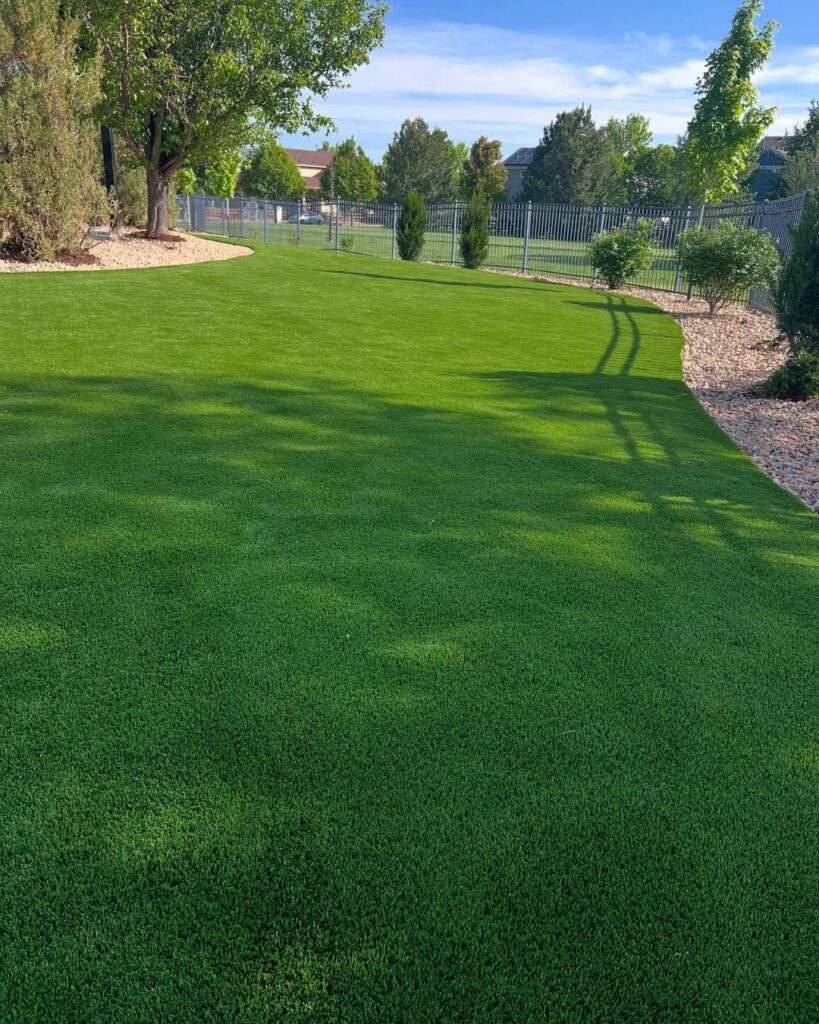
Landscape professionals who specialize in pet friendly installations consistently emphasize system design over product branding. From years of field experience, the combination of proper drainage, antimicrobial features, and correct installation delivers the best results.
Veterinary professionals also support clean outdoor environments, as bacteria buildup can pose health risks to pets. A well designed artificial turf system reduces exposure to mud, pests, and harmful organisms commonly found in natural lawns.
Common Mistakes to Avoid When Choosing Dog Turf
Avoid these frequent errors:
- Choosing turf based on appearance alone
- Ignoring drainage specifications
- Skipping professional installation
- Assuming all turf products are pet safe
Asking the right questions upfront prevents costly replacements later.
Read also: How to Clean Artificial Turf the Right Way: Step-by-Step Guide
The Right Turf Makes All the Difference
The best artificial turf for dogs is built to handle daily activity with ease. Efficient drainage prevents moisture buildup and odors. Wear-resistant fibers maintain appearance despite heavy use. Comfortable surfaces protect paws and joints. Year-round usability keeps dogs active regardless of weather. Quality installation ensures the system performs as intended over time.
Choosing an experienced installer is essential for long-term success. Expert design prevents common issues and extends the life of your turf. Connect with ORO Landscaping to create a pet-friendly artificial turf system you can trust.