

Planning a landscaping project without a clear visual roadmap often leads to expensive surprises. That is where 3D landscape design becomes essential. By allowing homeowners and property managers to see a realistic preview of their outdoor space before construction begins, 3D landscape design helps prevent miscommunication, budget overruns, and design regrets. For anyone investing in landscaping or hardscaping, this technology is one of the smartest ways to protect both vision and budget.
What Is 3D Landscape Design?
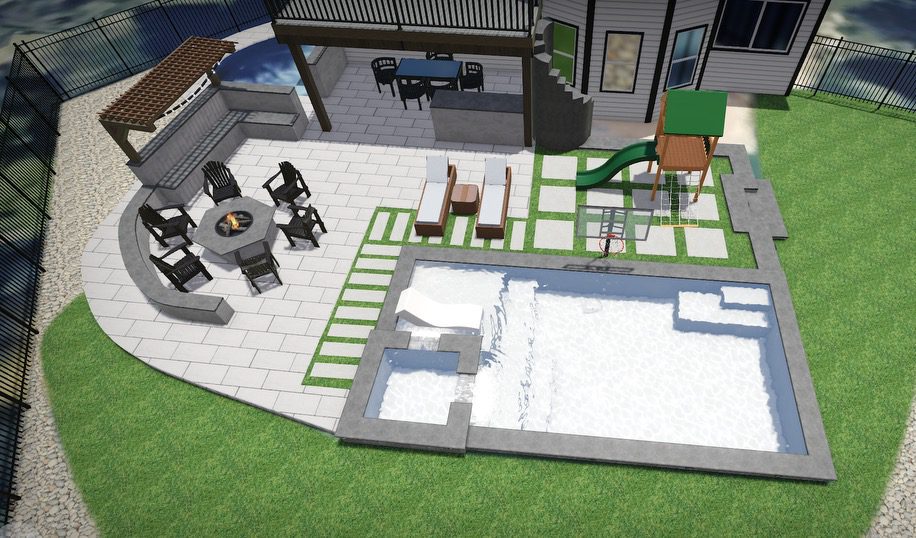
3D landscape design is a digital modeling process that transforms traditional flat drawings into realistic, three dimensional visualizations. Using specialized design software, professionals create lifelike renderings of outdoor spaces that include plants, hardscapes, lighting, elevation changes, and drainage features.
Unlike basic sketches or 2D plans, 3D landscape design allows clients to view their property from multiple angles. This creates a true sense of scale, proportion, and flow before a single shovel hits the ground.
Key Elements Shown in a 3D Landscape Design
A professional 3D design typically includes:
- Plant placement with mature sizes and spacing
- Patios, walkways, retaining walls, and driveways
- Outdoor kitchens, fire pits, and seating areas
- Lighting effects for evening visualization
- Drainage patterns and elevation changes
This level of detail reduces assumptions and increases confidence in the final plan.
Why Landscaping Projects Go Wrong Without 3D Design
Many costly landscaping mistakes happen due to misinterpretation. Homeowners often visualize something very different from what the contractor builds, even when both parties reviewed the same 2D plan.
Common issues include:
- Patios that feel too small once built
- Walkways that disrupt natural traffic flow
- Plants that overcrowd the space as they mature
- Retaining walls that look out of scale with the home
- Poor drainage placement leading to water issues
According to the American Society of Landscape Architects, design changes made during construction can increase project costs by 10 to 25 percent. Most of these changes stem from unclear expectations early in the process. 3D landscape design addresses this problem directly.
How 3D Landscape Design Prevents Costly Mistakes
Visual Clarity Before Construction
The greatest advantage of 3D landscape design is clarity. Seeing the design as a realistic rendering eliminates guesswork. Clients can immediately identify what works and what does not.
This allows adjustments to happen during the design phase, when changes are inexpensive, instead of during construction, when changes can be costly and time consuming.
Accurate Budget Planning
With a detailed 3D model, material quantities and construction requirements become more precise. This leads to more accurate estimates and fewer surprise expenses.
Benefits include:
- Clear material takeoffs for stone, pavers, and plants
- Better labor forecasting
- Reduced risk of mid project upgrades or removals
The National Association of Landscape Professionals reports that projects with defined scopes and visuals are significantly more likely to stay within budget.
Improved Communication Between All Parties
3D landscape design creates a shared language between homeowner, designer, and contractor. Everyone is literally seeing the same picture.
This minimizes disputes related to expectations and helps contractors execute the plan with confidence. It also supports smoother approvals with homeowners associations or local review boards when required.
Expert Insights From the Landscaping Industry
Experienced landscape professionals consistently report higher client satisfaction when 3D design is part of the process. From years of field experience, designers know that many clients struggle to interpret technical drawings.
A 3D model bridges that gap by showing:
- How plant heights affect privacy over time
- How shade and sun interact with seating areas
- How lighting changes the atmosphere after dark
Industry data from Houzz indicates that homeowners who invest in professional design services are more likely to complete projects without major revisions. This reinforces the value of visual planning tools like 3D landscape design.
Practical Tips for Getting the Most Out of 3D Landscape Design
Choose a Designer With Construction Experience
Not all designers understand real world construction limitations. Work with professionals who have hands on landscaping or hardscaping experience. This ensures the 3D model reflects what can actually be built.
Review the Design From Multiple Angles
Ask to see views from patios, windows, walkways, and street level. This helps identify potential issues with sightlines, privacy, and curb appeal.
Discuss Long Term Growth and Maintenance
A trustworthy designer will explain how plants will look in five or ten years, not just at installation. This supports sustainable landscaping and reduces future maintenance costs.
Confirm Materials and Finishes
Use the 3D design to review textures, colors, and patterns for pavers, stone, and walls. Small visual differences can have a big impact on the final appearance.
Trustworthiness and Transparency in 3D Landscape Design
A professional 3D landscape design should never be a sales gimmick. It should be an honest representation of the proposed project.
Signs of a trustworthy design process include:
- Clear explanations of what is included and excluded
- Realistic lighting and plant scaling
- Open discussion about budget limitations
- Willingness to revise based on feedback
Reputable firms use 3D design as a planning and communication tool, not as a promise of perfection. Transparency at this stage builds trust and reduces disappointment later.
Is 3D Landscape Design Worth the Investment?
While 3D landscape design does add upfront cost, it often saves significantly more by avoiding mistakes. When compared to the price of redoing a patio, relocating drainage, or replacing plants, the design fee is relatively small.
For medium to large landscaping projects, the return on investment is clear. The design helps protect the overall value of the property while ensuring the outdoor space functions as intended.
Read also: 3D Landscape Design: See Your Yard Before It’s Built
Design with Confidence Before You Build
3D landscape design is one of the most powerful ways to eliminate guesswork and prevent costly landscaping mistakes. It allows homeowners to visualize the finished project before any work begins. This clarity improves communication between homeowners and contractors at every stage. Accurate planning also supports better budgeting and reduces unexpected expenses. Design revisions can be made early, saving time and money during construction. Ultimately, 3D design creates confidence and ensures the final result matches the original vision.
If you are planning a landscaping or hardscaping project, starting with professional design is a strategic move. A clear plan leads to smoother execution and better outcomes. Contact ORO Landscaping today to transform your ideas into a precise 3D design and build with confidence from day one.